The 250+ Wedding Ring Finger – The Meaning of Each Finger for Wearing Rings
 The Wedding Love
Rings have always carried meaning far deeper than their size suggests. Long before engagement announcements and wedding hashtags, rings were symbols of loyalty, power, belief, family, and identity. Across civilizations, they marked milestones, sealed promises, and communicated social standing without a single spoken word.
What many people don’t realize is that the placement of a ring has historically mattered just as much as the ring itself. Each finger developed its own symbolism over time, shaped by mythology, religion, social hierarchy, and cultural tradition. Even today, these meanings quietly influence how rings are perceived.
Among all fingers, one stands apart. The wedding ring finger has become a universal symbol of love and commitment, instantly understood across borders and cultures. Yet every finger tells its own story, and together, they form a language of meaning that has endured for centuries.
This article explores that language in depth—breaking down over 250 meanings tied to ring placement, with special attention to tradition, culture, and modern interpretation.
Why Ring Symbolism Still Matters Today
Although fashion trends change, symbolism endures. Rings are worn daily, often unconsciously, yet they speak constantly—to ourselves and to others. A ring can suggest devotion, confidence, creativity, independence, or heritage.
Understanding ring symbolism doesn’t mean following rigid rules. Instead, it offers context. It explains why certain fingers feel more “right” for certain rings—and why some placements carry emotional weight while others feel purely expressive.
The Wedding Ring Finger and Its Enduring Meaning
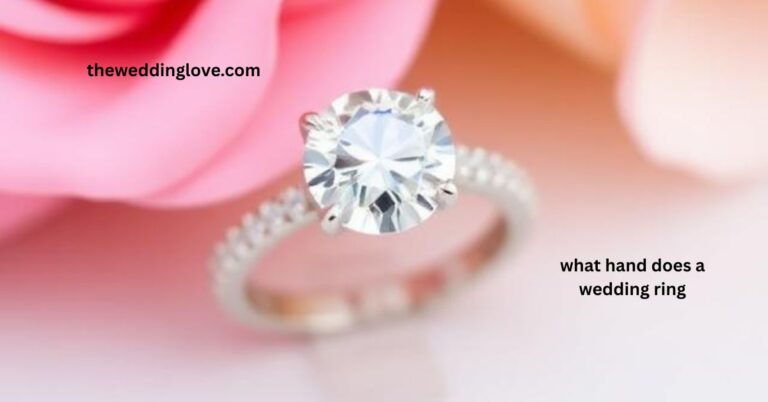
The wedding ring finger is traditionally the fourth finger. In many Western cultures, it appears on the left hand, while in several Eastern and European cultures, it is worn on the right. The hand differs, but the meaning remains the same.
Ancient Romans believed a vein connected this finger directly to the heart, referring to it as the vena amoris. While modern science has disproven this, the romance of the idea shaped centuries of tradition. Over time, this finger became the recognized place for wedding and engagement rings—symbolizing lifelong commitment, emotional unity, and chosen partnership.
Even in modern life, where personal choice is valued over strict tradition, a ring worn on the wedding ring finger continues to communicate marriage without explanation.
The Meaning of Rings on Every Finger: 250+ Points
Thumb Rings — Strength, Freedom, and Willpower
- Symbol of personal strength
- Represents independence
- Associated with confidence
- Historically worn by warriors.
- Linked to authority
- Suggests leadership
- Represents free thinking
- Rejects convention
- Indicates a bold personality
- Popular in minimalist fashion
- Seen as nontraditional
- Represents control over one’s life
- Often chosen for statement pieces.
- Reflects inner power
- Connected to self-expression
- Symbolizes determination
- Historically tied to archery strength
- Represents resilience
- Often worn by creatives.
- Seen as gender-neutral symbolism
Index Finger — Authority, Direction, and Ambition
- Historically worn by royalty.
- Symbol of leadership
- Represents ambition
- Associated with confidence
- Linked to the command
- Often used for signet rings.
- Symbolizes social standing
- Reflects decisiveness
- Indicates authority
- Associated with power
- Represents responsibility
- Seen as an assertive placement
- Suggests influence
- Used for official seals
- Represents order
- Signals self-assurance
- Highlights presence
- Commands attention
- Reflects purpose
- Symbolizes direction in life
Middle Finger — Balance, Stability, and Self-Awareness
- Symbol of balance
- Represents responsibility
- Reflects order
- Indicates a grounded personality
- Chosen for symmetry
- Free from romantic meaning
- Associated with fairness
- Represents structure
- Indicates maturity
- Reflects self-discipline
- Suggests stability
- Represents neutrality
- Popular for fashion rings
- Symbolizes personal boundaries
- Indicates reliability
- Represents calm energy
- Reflects centered thinking
- Suggests accountability
- Balances emotion and logic
- Indicates strength without dominance
Wedding Ring Finger — Love, Unity, and Commitment
- Symbolizes marriage
- Represents eternal love
- Indicates lifelong commitment
- Associated with partnership
- Holds emotional significance
- Represents a shared future
- Symbolizes loyalty
- Indicates devotion
- Associated with trust
- Reflects emotional bond
- Holds engagement rings
- Wears wedding bands closest to the heart
- Represents unity
- Communicates marital status
- Holds cultural importance
- Recognized worldwide
- Reflects chosen love
- Symbolizes promise
- Represents shared identity
- Holds ceremonial importance
The wedding ring finger stands apart because it carries meaning rooted in emotion rather than status or fashion. A ring worn here reflects a conscious decision to commit—to share life, responsibilities, and love with another person. It is less about display and more about connection.

Little Finger (Pinky) — Identity, Communication, and Expression
- Represents communication
- Symbolizes intelligence
- Associated with expression
- Historically worn with family crests.
- Reflects individuality
- Suggests confidence
- Indicates creativity
- Associated with negotiation
- Symbolizes persuasion
- Reflects independence
- Popular in vintage fashion
- Represents personality
- Indicates comfort with self
- Often chosen by artists.
- Reflects charm
- Symbolizes uniqueness
- Represents social ease
- Indicates flair
- Highlights style
- Reflects authenticity
Cultural Variations in Ring Placement
- The right hand symbolizes honor in many cultures.
The left hand symbolizes heart connection in Western tradition. - Germany favors the right-hand wedding ring.s
- India uses both hands, depending onthe region.
- Greece favors the right hand.
- Russia follows right-hand tradition.
- Cultural customs influence placement.t
- Religion often guides tradition.
- Meaning remains consistent globally.
- Commitment transcends hand choice.
Engagement Rings and Ceremony Traditions
- Engagement rings symbolize a promise.
- Wedding bands symbolize fulfillment.
- Bands are placed first during ceremony.
- Rings symbolize transition
- Ceremony moments hold emotional weight.ht
- Rings represent a public declaration.
- Traditions evolve with couples.
- Personal rituals matter
- Symbolism outweighs design
- Meaning grows with time.e

Modern Ring-Wearing Choices
- Stackable rings represent layers of life.
- Minimalist bands reflect simplicity.
- Mixed metals symbolize balance.
- Custom designs tell personal stories.
- Vintage rings honor heritage.
- Ethical sourcing adds meaning.g
- Comfort guides placement
- Lifestyle influences design
- Fashion reflects personality
- Trends don’t replace symbolism.
Reasons People Remove Rings
- Manual labor
- Medical reasons
- Sports activities
- Travel convenience
- Safety concerns
- Skin sensitivity
- Pregnancy swelling
- Weight fluctuation
- Cultural practice
- Temporary comfort
Emotional Symbolism Beyond Marriage
- Rings mark milestones
- Celebrate anniversaries
- Honor loved ones
- Represent healing
- Symbolize achievements
- Reflect self-commitment
- Hold memories
- Carry emotional value
- Outlast trends
- Grow in meaning
Style and Personality Reflected Through Rings
- Bold rings reflect confidence.
- Simple bands reflect clarity.
- Large stones reflect presence.ce
- Thin bands reflect subtlety.
- Vintage styles reflect nostalgia.
- Modern styles reflect innovation.
- Matte finishes reflect calm.
- Polished finishes reflect energy.
- Engravings reflect intimacy
- Shape reflects preference
Spiritual and Symbolic Beliefs
- Rings symbolize eternity
- Circles represent wholeness
- Metal choice carries meaning.
- Gold symbolizes longevity
- Silver symbolizes clarity
- Platinum symbolizes strength
- Gemstones carry energy
- Placement affects symbolism
- Intention defines meaning
- Belief enhances value
Social and Psychological Meaning
- Rings signal availability
- Communicate boundaries
- Express belonging
- Signal commitment
- Reinforce identity
- Provide emotional comfort
- Build confidence
- Strengthen connection
- Reflect self-image
- Influence perception
Choosing the Right Finger
- Comfort comes first
- Meaning matters
- Tradition guides, not rules
- Culture influences choice
- Personal story matters
- Lifestyle affects wear
- Emotional attachment counts
- Practicality matters
- Preference is valid
- Choice evolves
Personal Expression Through Rings
- Rings can be symbolic gifts.
- Represent inner growth
- Mark transitions
- Celebrate independence
- Reflect self-love
- Carry legacy
- Represent faith
- Mark achievements
- Carry hope
- Reflect values
Modern Relationships and Ring Meaning
- Equality shapes design
- Gender neutrality grows
- Couples personalize traditions
- Meaning outweighs rules
- Love defines placement
- Rings reflect a partnership.
- Shared choices matter
- Communication matters
- Respect shapes tradition
- Identity remains central
The Evolving Role of Tradition
- Traditions adapt
- Meaning remains
- Culture influences evolution
- Personal choice reshapes norms.
- Love anchors tradition
- Rings remain symbols
- Stories evolve
- Emotion endures
- Symbolism persists
- Commitment remains
Final Considerations
- Rings hold memory
- Placement adds meaning
- Choice reflects self
- Love defines symbolism
- Tradition supports meaning
- Comfort ensures longevity
- Style reflects personality
- Emotion outlasts fashion
- Meaning grows over time.
- Rings become legacy
Final Symbolic Reflections
- Rings speak silently
- Fingers tell stories
- Placement communicates values
- Meaning is personal
- Love guides tradition
- Commitment shapes choice
- Emotion defines value
- Jewelry becomes memory
- Rings connect the past and future.
- Meaning lives beyond metal.
Closing Insights
- Rings reflect life stages.
- Symbolism enriches experience
- Knowledge deepens appreciation
- Choice honors self
- Love gives meaning
- Tradition offers a foundation.n
- Personal meaning completes it.
- Rings endure
- Stories remain
- Meaning lives on
FAQs
Why is the wedding ring finger so important?
It has long symbolized love, unity, and lifelong commitment across cultures.
Can I wear my wedding ring on a different finger?
Yes. Comfort, culture, and personal meaning matter more than tradition.
Is there a correct hand for wedding rings?
Both hands are correct depending on cultural and personal preference.
Is removing a wedding ring disrespectful?
No. Many people remove rings for practical or safety reasons.
Do men and women follow the same rules?
Yes. Ring symbolism applies equally to all.
Final Thoughts
The wedding ring finger carries centuries of tradition, emotion, and shared meaning. While every finger holds symbolism, this one continues to represent love chosen freely and promises meant to last.
In the end, rings are deeply personal. Whether worn traditionally or creatively, their true value lies not in rules—but in meaning, intention, and the life lived around them.
About the Author