Pappedeckel: The Humble Cardboard Lid That Shapes Sustainability and Convenience-Unique Tips
 The Wedding Love
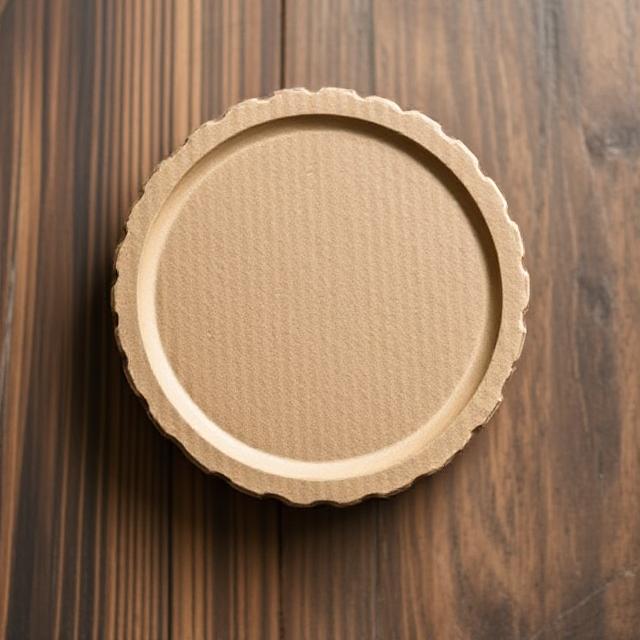
 Of all the unsung heroes in our day-to-day lives, the Pappedeckel would possibly simply be the most humble. You understand it instantly, even if the phrase feels unfamiliar on your tongue. It’s that easy cardboard lid, the flat circle you peel lower back to expose your morning yogurt, the protect that protects your creamy ricotta, the barrier between your takeaway latte and the world. It’s a small, unassuming object, but it sits at the charming intersection of sustainability and convenience, a tiny disk that holds more weight than we ever supply it savings for.
The Unsung Hero of Freshness
Before we even reflect on the consideration of its environmental impact, we should pay homage to the Pappedeckel’s predominant job: protection. This little lid is a surprise of sensible engineering. It’s a barrier towards contaminants, a guardian of freshness, and a preserver of flavor. The skinny layer of plastic or wax coating on the interior creates a seal that locks in moisture and locks out air, making sure your meals arrive precisely as meant from the manufacturing facility to your fridge.
There’s a positive ritual to it. The pleasurable peel as you spoil the seal, the faint whisper of air speeding in—it’s a small second of anticipation. For a product like yogurt, that Pappadelle is the last frontier, making sure the creamy floor is pristine and prepared for your spoon or your fruit. It’s a testimony to how an easy sketch can resolve a complicated trouble with stylish efficiency.
The Green Dilemma: Convenience vs. Conscience
This is the place where the story of the Pappedeckel receives complication, and the place where our collective sense of right and wrong frequently twinges. For all its convenience, the basic model is a single-use item. This creates an acquainted anxiety in the present-day consumer’s mind. We respect the utility; however, we wince at the waste.
However, the narrative is moving rapidly. The enterprise and shoppers are pushing the humble Pappedeckel into a new generation of sustainability. We’re seeing a revolution in its composition:
- Recycled Cardboard: Many lids are now made from an excessive share of post-consumer recycled material, decreasing the demand for virgin pulp.
- Compostable & Bio-based Plastics: A developing variety of Pappedeckel editions are made from PLA (polylactic acid), derived from corn starch or sugarcane. These are designed to break down in industrial composting facilities, presenting a closed-loop solution for natural waste.
- Reduced Plastic Coatings: Manufacturers are innovating with thinner, greater eco-friendly coatings to keep the seal whilst minimizing the plastic content.
This evolution turns the lid from an image of waste into an achievable participant in a circular economy. The desire is increasing in our hands: do we purchase the product with the preferred lid, or are we trying to find out the one branded with the “industrially compostable” logo?
Unique Tips for Your Pappedeckel: Beyond the Bin
So, what can we do with this small, round piece of potential? Here are some special methods to supply your Pappedeckel a 2d lifestyle earlier than it’s recycled or composted.
- The Mini Palette: Artists and crafters, rejoice! A clean, dry Pappedeckel makes an ideal disposable palette for acrylic paints. Mix your colours properly on the white, non-absorbent surface, and when you’re done, simply toss it.
- The Coaster of Convenience: Spilled a drip from your espresso cup? A Pappedeckel is the ideal impromptu coaster. It’s absorbent on one facet and waterproof on the other, protecting surfaces in a pinch.
- The Seed Starter Lid: For the budding gardener, a Pappedeckel can be positioned below a small pot to capture drainage water. It’s additionally the best measurement to mark and reduce out plant markers—write the herb or vegetable title on it with a permanent marker and poke it into the soil.
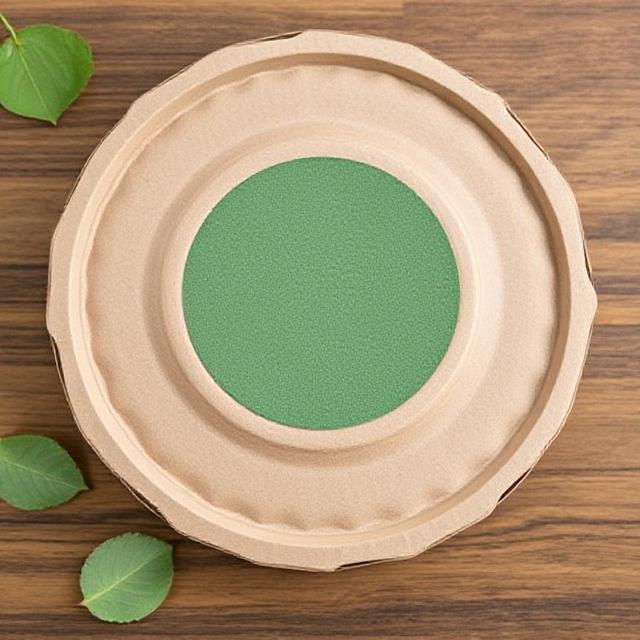
- The Messy Project Protector: Mixing a small batch of epoxy, stirring timber stain, or even conserving screws at some stage in a rapid fix? The Pappedeckel is your high-quality friend. It incorporates the mess and can be disposed of without difficulty afterward.
- The Kids’ Craft Canvas: Its round, sturdy form is best for children’s crafts. Glue, glitter, googly eyes—it can come to be a sun, a monster’s face, or a tiny spaceship with simply a little imagination.
By reimagining its purpose, even for a few greater minutes, we exchange our relationship with this day-to-day object. It’s no longer simply trash; it’s a resource.
The subsequent time you peel that lid, take a 2d to recognize the humble Pappedeckel. It’s a small piece of cardboard that includes the giant duties of protection, convenience, and now, sustainability. Its future is being reshaped, one compostable batch at a time.
FAQs About the Pappedeckel
Q1: What precisely is a Pappedeckel?
A: A Pappedeckel is the German-derived time period for the flat, round cardboard lid often discovered on yogurt cups, cream cheese containers, and disposable espresso cups. It normally has a skinny plastic or wax coating on the inner to create a seal.
Q2: Can I recycle a Pappedeckel with my everyday paper and cardboard?
A: This relies heavily on your nearby recycling facility. Because of the plastic coating, many curbside packages can’t manner them. It’s nice to test with your neighborhood waste administration authority. A developing range is now general if they are a section of a unique meals container recycling program.
Q3: What’s the distinction between “compostable” and “recyclable” lids?
A: A recyclable lid is intended to be broken down and remade into new products. A compostable lid is designed to decompose into herbal factors in a compost environment, turning into nutrient-rich soil. Compostable lids frequently require industrial composting facilities, as domestic compost containers may not attain the required temperature.
Q4: Are there any merchandise shifting away from the Pappedeckel entirely?
A: Yes, some manufacturers are experimenting with choice packaging. This consists of the usage of foil seals (which are frequently less complicated to recycle in certain streams) or designing multi-layer plastic lids that are absolutely recyclable as a single material. The intention is to decrease the mixed-material undertaking that the common Pappedeckel presents.
Q5: Why is it so hard to locate a sustainable choice for every Pappedeckel?
A: The venture lies in balancing cost, functionality, and sustainability. The lid should create a hermetic seal to hold meals secure and fresh. Developing new substances that are strong, seal effectively, and are both effortlessly recyclable or compostable at an aggressive fee is an ongoing challenge for packaging engineers.
Read More: theweddinglove.com
About the Author